A hotel wall gets touched, scuffed, wheeled into, and photographed a thousand times more than any wall in a house. The covering that works in a boutique lobby has to hold a guest's eye and survive a housekeeping cart, which is a harder brief than it looks.



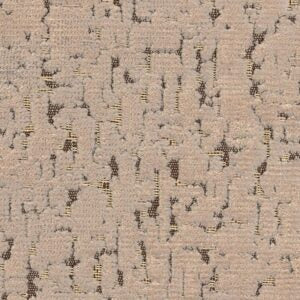



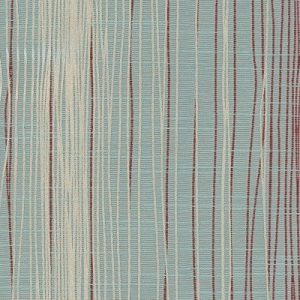
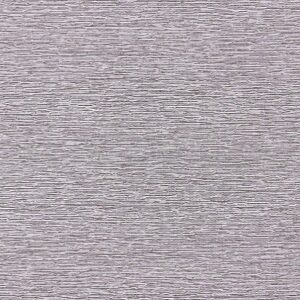


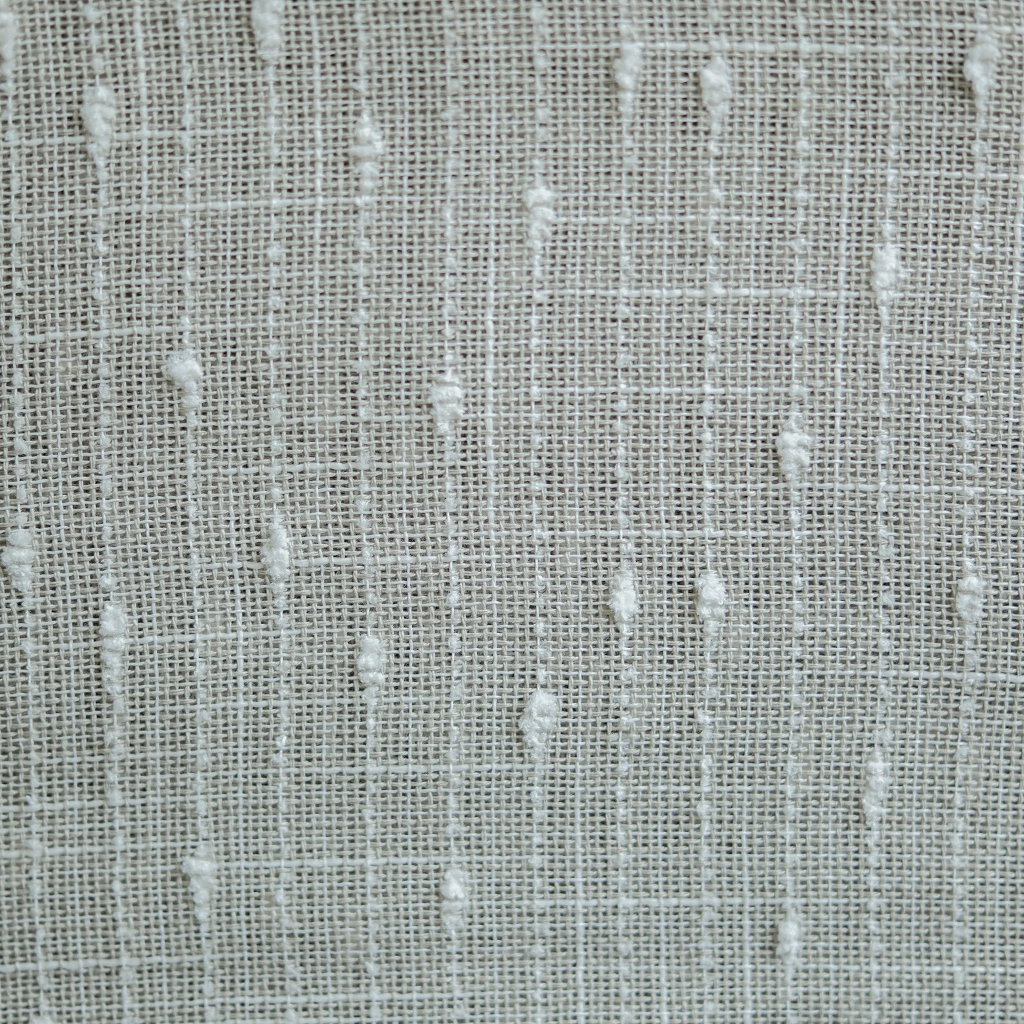
The corridor is the real test
Guests judge a hotel in the corridor between the elevator and their room, and that stretch is punished harder than any public space. Luggage carts hit the base, shoulders brush the mid-wall, and the lighting is usually unflattering. This is why experienced hospitality designers spend their durability budget here: a Type II fabric-backed vinyl, dark enough at the base to hide scuffs, with a pattern busy enough to camouflage the inevitable dings, will still look intentional after a season of turnover.
The design opportunity in the corridor is rhythm. A repeating vertical motif or a tonal stripe pulls the guest toward their door and makes a long, low hallway feel shorter and taller. Pair the covering with a chair rail or a base guard where carts strike, and you get a corridor that reads as designed rather than merely finished, without asking a delicate paper to do a job it will lose.
Lobbies, bars, and the photographable wall
Public spaces are where a hotel earns its social-media presence, so the lobby and bar walls are chosen to be shot. A scenic mural behind the front desk, a lacquered or metallic covering behind the bar, or a large-scale botanical in a lounge gives guests the frame they will post, and that free marketing is a real line item in the covering's value. The material still has to be commercial-grade, but here the aesthetic risk is worth taking because the wall is working as a brand asset.
Balance is everything in these rooms. One statement wall against quiet neighbors reads as confident; four competing patterns read as chaos and photograph worse. Behind a bar, factor in the punishment of splashes and cleaning, and lean toward a wipeable vinyl or a sealed surface rather than an uncoated natural material that will stain the first week.
Guest rooms: rest, acoustics, and turnover
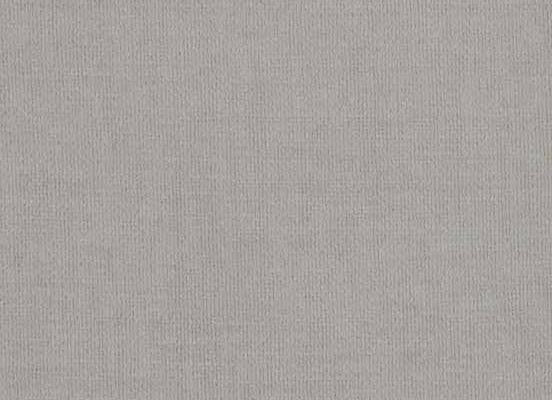
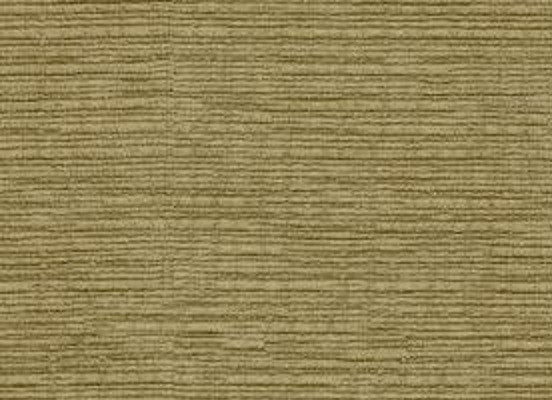
The guest room wall has a quieter job — it has to help a stranger relax and sleep. That pushes palettes toward calm, tonal, and warm, and pushes pattern toward subtle texture rather than energetic motif. A grasscloth or a soft linen-look vinyl on the headboard wall grounds the room and adds a little acoustic softening, which matters more than guests realize in a hard-surfaced modern room.
Operationally, the guest room is all about turnover cost. Choose a covering that can be spot-cleaned and, when a panel is damaged, replaced without redoing the whole wall, which argues for readily restockable patterns and for keeping attic stock of every colorway. The headboard wall takes the most abuse from bodies and nightstands, so many properties covering-treat that one wall and paint the rest, concentrating both the design impact and the durability spend where they pay off.
Quick checklist before you order
- Corridor armorType II vinyl, dark base, busy enough to hide scuffs; add a cart-height base guard.
- Statement wallOne photographable wall per public space; keep its neighbors quiet.
- Bar-proofBehind bars and in baths, use wipeable sealed surfaces, not uncoated naturals.
- Guest calmTonal textures on the headboard wall aid rest and add acoustic softening.
- Attic stockKeep spare rolls of every colorway so damaged panels swap without a full redo.
Frequently asked
What type of wallcovering do hotels use in corridors?
Usually a Type II fabric-backed commercial vinyl, chosen dark at the base and busy in pattern to hide scuffs and cart damage from heavy traffic.
Why do hotels put murals behind the front desk?
The lobby wall is the most photographed surface in the building, so a scenic or metallic covering there works as a brand asset and free social-media marketing.
Should every wall in a hotel room be wallpapered?
Rarely — most properties treat the headboard wall for impact and durability and paint the rest, which concentrates the budget and simplifies repairs.
Read more
- How the Hotel Lobby Became a Stage: A Short History of Pattern on Hotel WallsFrom the gilded grand-hotel lobbies of the 1890s to the Statler's plumbing revolution and the boutique-hotel movement of the 1980s, the walls of a hotel have always signaled what kind of stay it promised.
- Why the Headboard Wall Gets a Hotel's Pattern BudgetOf every surface in a guestroom, the wall behind the bed earns the most design spend. It sets the brand's first impression and it photographs.
- Why Hotel Hallways All Look Vaguely the SameThe dim, patterned, oddly durable look of a hotel corridor is not an accident of taste. It is the visible result of what a hallway wall has to survive.
- Why Every Marriott Feels a Little Like Every Other MarriottGuests sense a family resemblance across the properties of a single hotel brand. Three documents behind the scenes enforce it, and the wallcovering is one of the things they govern.
- Digital and Custom Murals: The Printed Feature Wall Comes to HotelsWide-format digital printing has made custom scenic and photographic walls affordable enough that boutique and lifestyle hotels now design around them.
- The Renovation Clock: When Hotels Actually Replace Their WallcoveringHotels refresh on a cycle driven by wear, brand mandates, and capital reserves. Knowing that clock explains when and why wallcovering gets replaced.